

Best dog home setup kits for newly adopted dogs should make the first days calmer through a quiet rest space, simple routines, and only a few necessary supplies. “Kit” can mean a true product bundle or a practical group of separate items; I label the difference so you do not mistake one anchor product for a complete room setup. The first few days call for simple, predictable spaces rather than a display full of new gear.
Jump to a specific section on this article
Contents
At a glance
| Pick | What the listing covers | Best fit / check |
|---|---|---|
| MidWest iCrate kit | True crate, bed, cover, bowls | Small dog, correct 24-inch fit |
| New World crate | Crate anchor only | Add bed, bowls, leash and ID |
| IRIS playpen | Configurable activity boundary | Supervised puppy area |
| PupLuxe | Many daily accessories | Resting place and food |
| Abbylike | Broad small accessory mix | Verify sizing and component safety |
| PullCrease | High-count accessory bundle | Check actual use and quality |
| LOBEVE | Harness, collar, leash set | Fit before first walk |
| KONG Puppy kit | Toy rotation | Size and supervise |
| 2 Hounds set | Harness and leash | Fit and handling plan |
| Sweet Inhale | First-aid pouch | Not a home or evacuation kit |
How I compared the options
I assessed each option by the job it can do during the first days: provide a calm rest area, support a simple routine or fill a specific supply gap. A product bundle cannot predict how a newly adopted dog will respond, so I focus on practical setup and clearly label what each package includes. Check the current size chart, component list and return window, then add the dog’s existing food and any individual care supplies.
Give the dog time to learn the house
A first home is full of unfamiliar surfaces, sounds, people and routines. Keep the starting area predictable and let the dog investigate at its own pace. Make one quiet resting spot available, keep a clear route to water and give the dog a break from visitors. Avoid placing a bed beside a busy doorway or expecting a newly arrived dog to use every item immediately. A kit is useful only when the dog can approach it without pressure.
Watch for changes in appetite, thirst, elimination, breathing, movement or energy. These observations are not a diagnosis. If the dog seems unwell, is injured, repeatedly refuses food or water, or shows another concerning change, contact a veterinarian promptly. A new-dog shopping list should never delay care. Bring adoption records and ask the clinic which preventive care, parasite checks and follow-up schedule fit that dog.
Build the first setup in layers
Set up the essentials before the dog arrives: current food, clean bowls, a secure rest area, a leash and identification. Keep medication and records accessible to the responsible adult. During the first days, add optional toys or grooming items gradually, one at a time, and notice what the dog chooses. This makes it easier to spot a toy that is too small, a brush the dog avoids or a bed that is difficult to enter.
For puppies, plan for growth and supervision rather than buying a fixed-size kit and assuming it will last. For an adult dog with known habits, use the previous caregiver’s information where available. For a senior or mobility-limited dog, prioritize easy access, traction and a comfortable resting surface, then ask the veterinarian about individual needs. A setup can be adjusted as the dog’s behavior and health become clearer.
Use the daily gear guide to establish the basics before adding optional pieces. Owners working with a compact floor plan can compare the apartment bundle options. To see when separate purchases make more sense, use the kit-versus-separate comparison.
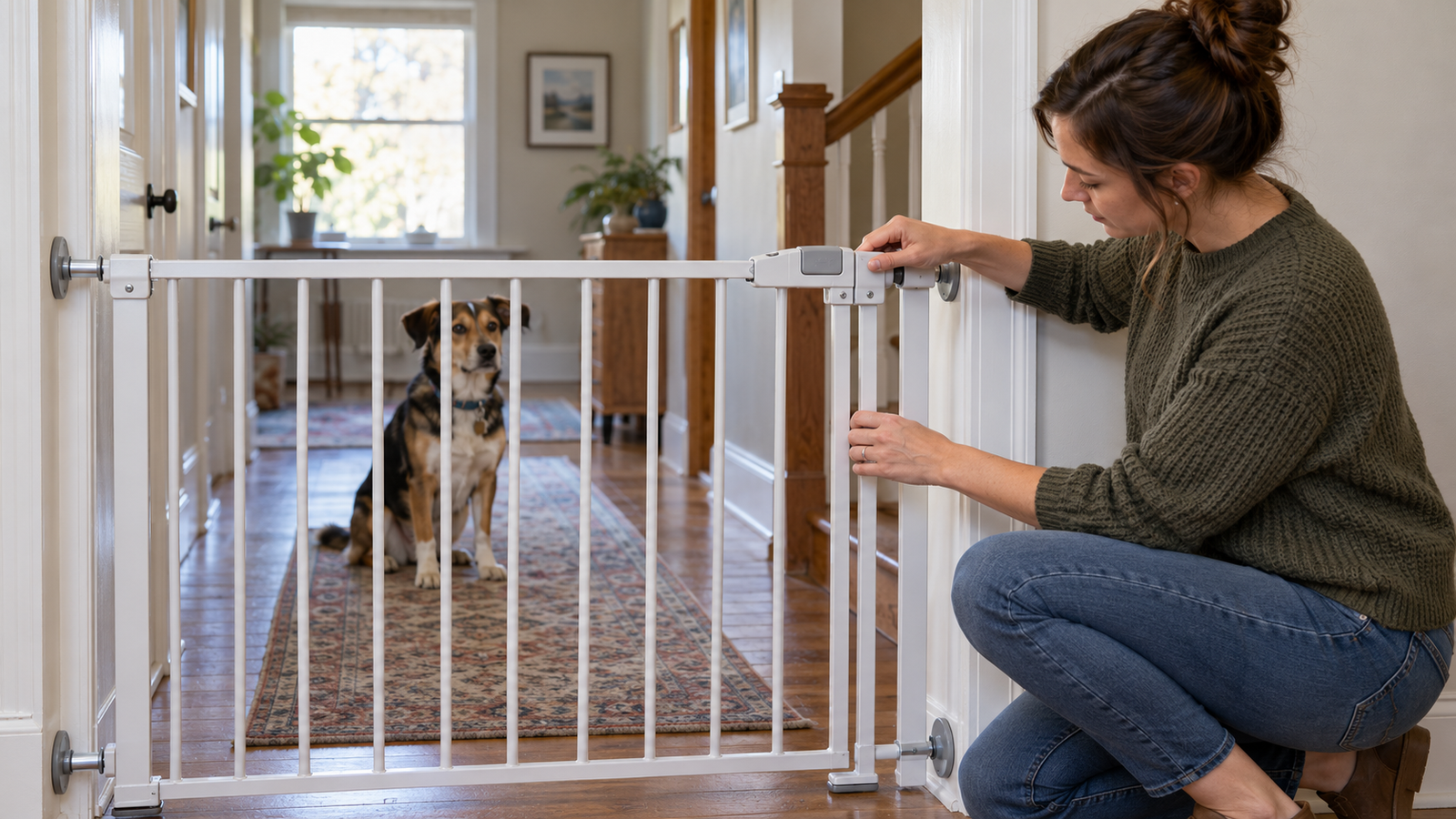
The first room matters more than the shopping list
Choose a low-traffic corner with enough room for the dog to lie down and stretch. Keep food and water easy to find, continue the dog’s current food unless a veterinarian advises otherwise, and introduce visitors and new equipment gradually. If health records or history are incomplete, the CDC’s guidance for dog owners recommends a veterinary visit within a few days to a week. Bring the records supplied by the shelter or previous caregiver.

Set up a washable bed or suitable crate.
Keep meals, toilet breaks and quiet time predictable.
Add access to one more area when the dog is ready.
Book a veterinary visit and confirm records.
Affiliate disclosure: As an Amazon Associate, Very Well Dog earns from qualifying purchases.
1. MidWest Homes for Pets iCrate Starter Kit, 24-Inch – Best for a crate-based sleeping area
For a small dog that fits the listed size, MidWest supplies a genuine crate bundle. The MidWest set combines crate, bed, cover and bowls, so the new owner can establish one defined rest-and-feeding area. Confirm the 24-inch sizing before ordering and introduce the crate in short, positive sessions. It does not provide food or walking supplies.
Ask the shelter or foster home whether the dog has rested in a crate before. Keep a familiar blanket or safe bedding nearby if allowed, and avoid making the first evening a test of how long the dog will stay confined. A kit can organize the corner, but gradual adjustment makes it usable.
2. New World 30-Inch Single-Door Folding Dog Crate – Best for a straightforward folding crate
New World is a crate anchor for owners willing to assemble the rest themselves. New World’s 30-inch folding crate gives owners a tray and a simple enclosure to build around. Add a washable bed sized for the crate, bowls outside the sleeping space and a familiar blanket. This is not a bundled bed-and-bowl package; measure the dog and the available floor area first.
Decide how the door should face before choosing the final position; a convenient crate can become awkward if the door opens into a wall or busy walkway. Keep the sleeping area quiet and never use the crate as punishment. Introduce it in short, calm steps while the dog remains free to move away.
3. IRIS USA 4-Panel Dog Playpen – Best for a supervised indoor zone
The IRIS pen is the strongest match for a supervised boundary in one room. The IRIS four-panel pen creates a configurable boundary and a door for access. Pair it with water, a washable mat and a few safe toys, then keep the area close enough for the dog to see and hear the household. A pen does not replace supervision, social contact or outdoor toilet breaks.
Stay nearby for the first sessions and watch what the dog does at panel joints, the door and the floor edge. If the dog climbs, pushes, chews or becomes distressed, change the arrangement instead of relying on the enclosure to contain a problem. Keep the pen as one supervised option, not the whole daily plan.
4. PupLuxe Puppy Starter Kit, 22-Piece Kit – Best for a broad puppy supply assortment
PupLuxe is most useful when small everyday accessories are the main shortage. PupLuxe bundles walking, feeding, grooming and play pieces. It is convenient when a new owner has none of those basics, but the kit still needs a correctly sized resting place and dog-specific food. Sort the contents before use and introduce toys one at a time.
Make a short inventory before the dog arrives and mark which pieces are for walking, feeding, cleanup or play. Keep the current food and familiar equipment available while the new items are introduced one at a time. That makes it easier to spot what the dog accepts without changing the whole routine at once.
5. Abbylike 50-Piece Puppy Supplies Starter Kit – Best for owners checking a large mixed-item kit
Abbylike leans toward breadth: many accessory types arrive together. Abbylike includes a broad mix of bowls, toys and grooming pieces, with some versions aimed at small dogs. That makes it useful for a starter drawer, but not a complete home kit. Inspect material, size and small components, and put away anything unsuitable for the dog’s mouth or strength.
Sort the assortment into “use now,” “store” and “not suitable.” A new dog may need only a few familiar objects on the first day. Keep spare pieces out of reach until you have checked how the dog handles them and confirmed that they match the intended size.
6. PullCrease 65-Piece Puppy Supplies Starter Kit – Best for buyers comparing high piece-count sets
PullCrease targets owners who prefer a large assortment in a single order. PullCrease’s 65-piece bundle includes multiple small supplies and play items. Count alone is not a quality measure: decide whether the leash, bowls and grooming pieces fit the dog, and keep only the pieces you will use. Add a sturdy rest area and ID separately.
Choose one specific job for the order before paying. If the goal is a first-week walk, make sure the necessary leash and ID are present; if the goal is a resting area, this assortment does not provide the crate or bed that anchors it. A focused list makes the kit easier to judge than its headline count.
7. LOBEVE No-Pull Harness, Collar and Leash Travel Set – Best for a coordinated walking set
LOBEVE covers the first walk when the dog accepts its harness and fit is right. LOBEVE’s harness-and-leash set can cover the first neighborhood walk if it fits the dog. Use the manufacturer’s measurement chart and check strap position before going outside. Keep early outings quiet and short while the dog acclimates; a set of accessories cannot tell you whether the dog is comfortable.
If the dog has not worn a harness before, let it investigate the item before fastening it. Reward calm contact, keep the first fitting brief, and stop if the dog avoids or struggles. The first walk can wait until the dog and the adopter are ready; follow the shelter’s transition guidance.
8. KONG Puppy Starter Dog Toy Kit – Best for puppy-appropriate play items
KONG offers a small toy rotation for a dog who is ready to play. KONG’s puppy starter set gives the owner several enrichment options without needing to buy a large box of toys. Offer one at a time and supervise new items. Match the product size to the dog, and remove damaged toys promptly.
Offer play only when the dog is interested. Keep the resting zone quiet and let the dog approach a toy voluntarily; remove it if the dog guards it or becomes more unsettled. A new home is not the time to insist that the dog engage with every item in a bundle.
9. 2 Hounds Design Freedom No-Pull Harness and Leash Set – Best for a matched no-pull walking system
The 2 Hounds set combines walking pieces for owners who want adjustability. 2 Hounds’ set can reduce the number of separate walking purchases, but a proper fit still needs to be checked on the dog. Do not use leash equipment to drag or punish a dog that is frightened by its new surroundings.
Make the first outing a short, low-distraction trip after the dog has had time to settle. Check that the leash is attached as the maker directs, carry current identification details, and have a safe way to return home if the dog becomes worried. A longer neighborhood route can come later.
10. Sweet Inhale Refillable Pet First Aid Kit – Best for a compact first-aid pouch
Sweet Inhale belongs in a care pouch, not the room setup itself. The Sweet Inhale kit is a medical supply item, not a starter home kit. Keep emergency contact details and your veterinarian’s number with it; ask your veterinarian which supplies fit your dog’s health history.
Keep an inventory card with the pouch that lists contents, expiry dates and the veterinarian’s contact details. Do not give medication based only on the presence of a kit item; use the veterinarian’s instructions. This small record is especially useful when another household member is helping.
Best dog home setup kits for newly adopted dogs: plan the first days
Before the dog comes home, ask what food it has been eating, which words or routines it knows, and whether there are handling or medical concerns the caregiver should understand. Put food, water, bed and leash in place before arrival. Keep doors and windows secure, set up a quiet toilet-break route, and ask household members to avoid crowding the dog. The first room can be small and calm without becoming a place where the dog is left unattended for long periods.
During the first days, keep a short log of meals, drinking, toilet breaks, sleep and any concern you want to raise at the veterinary visit. It can help distinguish a one-time unsettled meal from a pattern worth discussing. The log is not a diagnosis. If the dog appears acutely unwell, has trouble breathing, is injured or cannot keep water down, contact a veterinarian promptly rather than waiting for a routine appointment.
Make the setup safe for the dog who actually arrives
Check the room from the dog’s height. Secure cleaning products, medications, cords, small objects and foods the dog must not reach. Cover or block gaps where a frightened dog might squeeze through. If the dog is a puppy, plan for active supervision and a safe place to rest; a kit cannot make an unsafe room puppy-proof. If the dog is large or strong, test gates and barriers before leaving the dog near them.
Ask the adoption organization about known triggers and equipment the dog already accepts. A dog who is not comfortable in a crate may need a different supervised area while you build positive associations. A dog with limited mobility may need traction and an easier route to water. Start with the simplest safe arrangement, observe how the dog uses it, and adjust one feature at a time.
First-week room planner
Select the spaces you have prepared. The guide points out the next low-stress setup task; it does not prescribe a training schedule.
Mark the arrangements already made.
Set up a new dog’s home in stages
A newly adopted dog does not need every item from a ten-product shortlist on day one. The first job is to make one room predictable: water in a steady place, a comfortable resting option, a safe route outside, and a quiet corner where nobody asks the dog to interact. Keep the first shopping decisions small enough that you can change them after you see how the dog settles.
The first night
Choose one sleeping arrangement and stay nearby while the dog explores it. If you use a crate, leave the door open unless the dog already rests comfortably in one. A pen can help with supervision when it is stable and placed away from cords, stairs or objects the dog can pull down. Do not assume a dog will feel safe in a new enclosure because it is included in a starter kit.
Make the route to the outside simple. Store the leash and waste bags near the exit, but keep them out of reach when you are not using them. A well-fitted harness or collar can make departures easier to manage; check the fit before the first walk and use a backup ID tag with current contact information.
The first week
Watch rather than add. Does the dog choose the bed, or settle beside it? Does the walking set rub under the legs? Does a toy hold attention, or does the dog shred it? These small observations help you avoid collecting accessories that are wrong for the dog’s size, chewing style or comfort. Supervise new toys and remove anything that breaks into pieces.
For food and water, follow the feeding plan shared by the rescue, breeder or veterinarian while you arrange any needed veterinary visit. Keep bowls easy to clean and separate from household chemicals. If the dog has a known condition, medication or special diet, put the instructions and veterinarian’s contact details in a place the household can find.
The first month
Recheck fit as the dog becomes more comfortable and, for a puppy, grows. Measure again rather than relying on the size printed on a previous order. Move the resting place if it is too busy, too warm or hard to reach. Replace a cheap item that is already failing only when a specific problem is clear; buying a premium upgrade before you know the dog’s routine can create waste.
Keep a short note on what is working: where the dog sleeps, which leash is easiest to handle, whether the feeding station stays clean, and what needs repair. This record turns a broad list of “best kits” into a setup chosen for the dog who actually lives with you.
Inspect a newly adopted dog kit before the first use
Unpack a kit before the dog arrives, if possible. Check that the crate or pen is stable, the door latches work, the bowls have no sharp edges, and the toys are the size and type you expect. Keep receipts and packaging until you have checked every item. If something is missing, damaged or materially different from the listing, resolve that before the first week gets busy.
For a crate, assemble it fully and press gently at the corners to make sure it does not shift. Check the interior space against the dog’s measurements and the manufacturer’s guidance. An advertised age or weight range is only a starting point. The dog should be able to stand naturally, turn around and lie down comfortably. Remove a bed or divider if it reduces usable space or creates a chewing hazard.
For a playpen, check the panel connections and the surface underneath it. A pen can move on a slick floor, and a determined dog may push at a weak connection. Keep it away from cords, unstable furniture and gaps where a paw or collar could catch. Supervise the first sessions and do not use a pen as a substitute for a safe room when you cannot monitor the dog.
A purchase sequence that leaves room to learn
Before pickup: Confirm the dog’s current food, known health needs, approximate size, transport plan and what the rescue or previous caregiver is sending home. Buy only the basics that cannot wait: a safe way to travel, identification, a leash, water bowl and an appropriate resting place.
During the first few days: Keep the environment calm. Introduce one new object at a time. If the dog avoids the bed or is uneasy around the crate, do not assume a different product will fix the problem immediately. Give the dog space and follow the adoption organization’s guidance about decompression and routine.
After you know the dog’s preferences: Add the pieces that solve clear needs. A toy kit can be useful if the dog enjoys those textures and play styles. A pen may help with a puppy who needs a supervised area. A first-aid pouch belongs in the home or travel kit, but it does not replace veterinary care or a call to your clinic when a problem arises.
This staged approach also protects the budget. Keep a short note of what is already covered, what is worn, and what the dog avoids. It gives you a better shortlist than buying a large package based only on a promotional photo.
Make the new dog’s setup easy for every caregiver
When more than one person cares for the dog, keep the routine consistent. Agree on the same leash, harness fitting, food storage and resting place. Put written feeding or medication instructions near the supplies, and keep a current veterinary contact in the shared household notes. The most useful kit is one that another caregiver can understand without guessing.
Ask visitors to let the dog approach instead of drawing it out of a crate or bed. That rule helps protect the quiet space the household has prepared. Product bundles do not establish boundaries; people do.
Store dog-home essentials where the routine happens
Put walking supplies by the exit, cleaning items near the place accidents are likely, and food where it can stay sealed and dry. Keep small toy pieces and medication out of the dog’s reach. When supplies are stored at the point of use, caregivers can follow the same routine without moving the entire kit from room to room.
Leave a little space for items you discover you need after adoption. A flexible shelf or basket is more useful than filling every inch with accessories before you know the dog’s preferences.
FAQs
How much dog gear should I buy before adoption?
Prepare the basics that protect comfort and routine: a suitable rest space, food and water bowls, the dog’s current food, walking gear, cleanup supplies, identification and any known medication. Add other equipment after you learn how the dog uses the home.
Should I introduce every new item on the first day?
No. Set up the essentials, keep the first area quiet and introduce new equipment gradually. A dog may need time to explore one room before meeting visitors or using unfamiliar gear.
Do newly adopted dogs need a first veterinary visit?
Yes. The CDC recommends a veterinary visit for a new dog or puppy within a few days to a week. Bring the adoption records, a current medication list and questions about preventive care. Your veterinarian can set the follow-up plan around the dog’s age, health and history.
Are the ten recommendations complete kits?
Some are sold as actual multi-item bundles; others are anchor products for a suggested setup. Each review says what is included and what must be purchased separately.
The practical verdict
For a newly adopted dog who already rests comfortably in a crate, the MidWest iCrate Starter Kit is my choice among the best dog home setup kits for newly adopted dogs. Its bed, cover and bowls make it the clearest sold-together sleep-and-feeding setup here, though you still need the dog’s food, walking gear and first-week routine. Check the MidWest kit’s size and included pieces before ordering. If a crate is not suitable or the dog is larger, set up a properly sized pen or bed instead and add the basics separately.